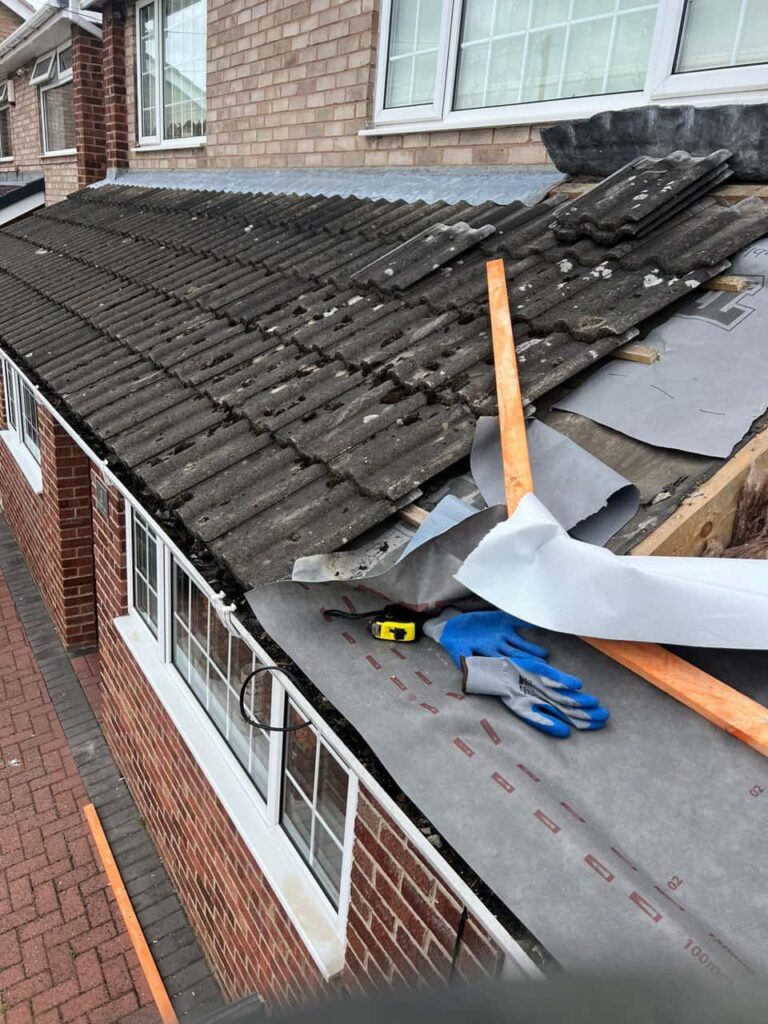
Slipping roof tiles are more than just an annoyance — they can lead to water ingress, damaged ceilings, and costly repairs if left unaddressed. In Staines-upon-Thames and the surrounding Surrey area, where we experience a mix of heavy rainfall and occasional strong winds, this issue is unfortunately common on both older and newer properties. At LS Roofing Staines-upon-Thames, we regularly help local homeowners resolve persistent tile slippage and restore peace of mind to their homes.
Why Roof Tiles Slip in the First Place
Understanding the root cause is the first step towards an effective solution. Tiles can begin to slip for several reasons:
- Age and weathering: Over time, the fixing clips or mortar bedding can degrade, especially on roofs exposed to Surrey’s variable climate.
- Storm damage: High winds can dislodge tiles, particularly on more exposed elevations.
- Poor initial installation: Incorrect overlap, insufficient fixings, or substandard underlay can cause gradual movement.
- Structural movement: Minor settling of the roof timbers or thermal expansion can loosen tiles over the years.
If you notice the same tiles repeatedly slipping or find broken pieces in your guttering, it’s a clear sign that the problem needs proper attention rather than repeated DIY fixes.
Immediate Steps You Should Take
Safety first: Never attempt to climb onto your roof unless you are fully trained and equipped. Slippery surfaces and heights make this extremely hazardous.
Instead, follow these practical steps:
- Inspect from the ground: Look for visible gaps, misaligned rows, or missing tiles. Check your loft (if safely accessible) for signs of water staining or daylight coming through the roof covering.
- Clear your gutters: Dislodged tiles often end up here. Blocked gutters can cause additional water overflow problems.
- Protect the interior: Place buckets under any internal leaks and move valuables away from affected areas.
- Document the issue: Take clear photographs from the ground — these will be helpful when speaking with a professional roofer.
Temporary fixes, such as using sealant or attempting to re-secure tiles yourself, rarely provide a long-term solution and can sometimes cause further damage.
The Importance of Professional Assessment
Persistent tile slippage usually indicates an underlying issue that requires expert diagnosis. A qualified local roofing team will:
- Carry out a thorough roof inspection to identify all affected areas
- Assess the condition of the battens, felt, and fixings
- Recommend the most appropriate repair or replacement method
- Ensure the work complies with current building standards for durability
At LS Roofing Staines-upon-Thames, we specialise in precise tile roof repairs across Staines-upon-Thames and the local Surrey area. Our experienced team understands the specific challenges faced by properties in this region, from traditional Victorian terraces to modern family homes.
Long-Term Prevention Tips
Once the immediate problem is resolved, simple maintenance can help prevent recurrence:
- Schedule regular roof inspections, ideally every two to three years
- Keep trees trimmed to reduce wind and debris impact
- Ensure valleys and flashings are cleared and in good condition
- Address any signs of movement or damage promptly
Conclusion
Slipping roof tiles should never be ignored, as small issues can quickly develop into larger, more expensive problems. By acting promptly and seeking professional help, you can protect your home and maintain its value for years to come.
If you’re experiencing slipping tiles on your roof in Staines-upon-Thames or the surrounding Surrey area, don’t hesitate to get in touch with the team at LS Roofing Staines-upon-Thames. We’re here to provide expert advice and reliable roofing solutions tailored to your property.
Call us on: 01784 775 782
Click here to find out more about LS Roofing Staines-upon-Thames
Click here to complete our contact form and see how we can help with your roofing needs.