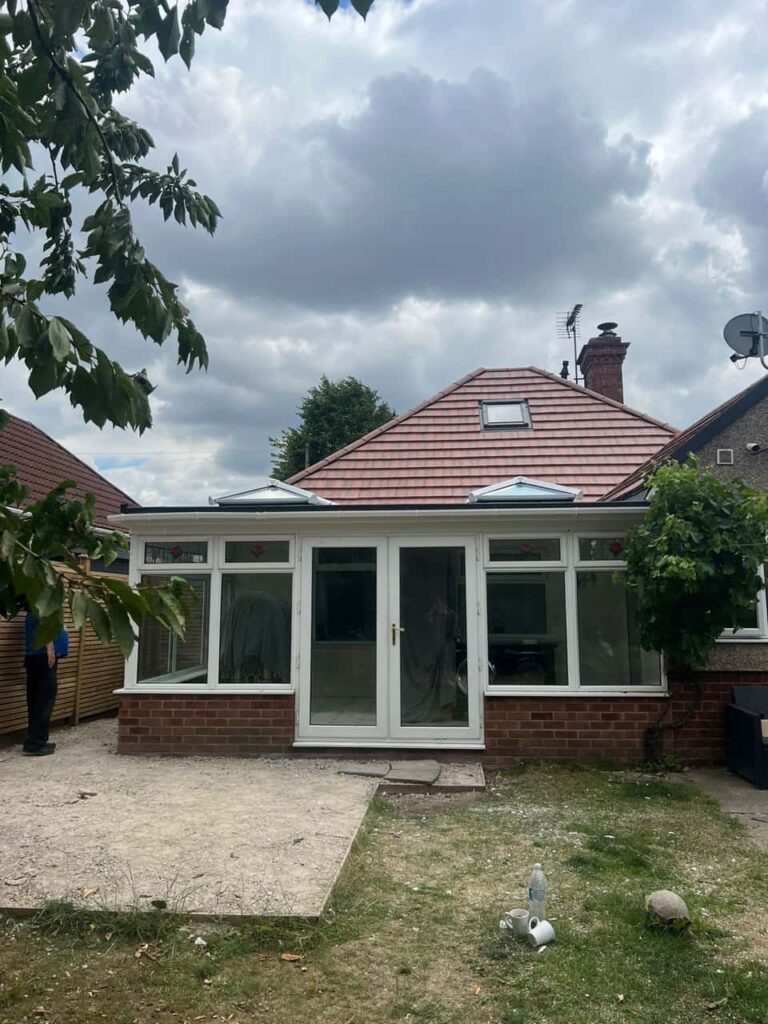
A single slipped roof tile is often a localised problem that can be corrected with a targeted repair. When tiles repeatedly move in the same area or begin slipping across several parts of the roof, however, the issue may extend beyond individual tiles.
Repeated tile slippage does not automatically mean that the entire roof needs replacing. It does suggest that the roof covering, fixings and supporting materials should be assessed as a complete system. For homeowners in Staines-upon-Thames, Surrey, a professional inspection can establish whether reliable repairs remain possible or whether replacement has become the more appropriate solution.
What Repeated Tile Slippage Can Reveal About a Roof
Roof tiles depend on battens, fixings, correct overlaps and neighbouring tiles to remain secure. If any of these elements deteriorate, replacing one slipped tile may only provide a temporary result.
The location and extent of the movement are important. One recurring fault may indicate a problem with a particular batten or fixing, while widespread slippage can point to general deterioration throughout the roof.
Why Do Roof Tiles Keep Slipping?
Tiles can move repeatedly for several reasons, including:
- Corroded or deteriorated fixings
- Cracked tile nibs
- Decayed or damaged battens
- Incorrect tile spacing or overlap
- Movement within the supporting structure
- Previous repairs that did not address the underlying cause
- Wind reaching beneath loose or poorly secured tiles
- Age-related deterioration across the roof covering
Identifying the cause is essential. Simply returning a tile to position will not prevent further movement if the component intended to hold it has failed.
When Is a Localised Repair Still Suitable?
A repair may remain effective when the slippage is confined to a small area and the surrounding roof is in good condition. For example, a limited number of damaged fixings or a short section of weakened batten may be replaced without disturbing the entire roof.
A suitable localised repair should address all affected components rather than the visible tile alone. This may involve removing neighbouring tiles temporarily so that the underlay, battens and fixings can be inspected and repaired correctly.
Where the remaining roof covering is secure and serviceable, wider replacement may be unnecessary.
Signs That the Problem Is More Widespread
Repeated slippage becomes more concerning when tiles are moving in different sections or new faults continue to develop after previous repairs. Warning signs can include:
- Several rows of uneven or displaced tiles
- Frequent movement after moderate weather
- Numerous cracked or missing fixings
- Widespread batten deterioration
- Brittle tiles that break during handling
- Torn or deteriorated underlay
- Recurring water ingress
- A noticeably uneven roofline
These signs can indicate that the roof covering is no longer functioning as a dependable system. Continuing to replace tiles individually may then leave other vulnerable areas untreated.
The Condition of the Battens Matters
Roof tiles are commonly supported by horizontal timber battens. If these become damp, decayed or split, they may no longer provide a secure fixing point.
Batten damage can remain hidden beneath the tiles, which is why recurring slippage deserves closer investigation. If a small section is affected, it may be repairable. Where deterioration extends across large areas, more of the covering may need to be removed to restore the supporting structure properly.
Fixings Can Deteriorate Across the Roof
Older metal fixings may corrode over time, while nails and clips can loosen or fail. If the same type of fixing was used throughout the roof, one failure may indicate that others are approaching a similar condition.
This does not confirm that replacement is necessary, but it does justify a broader inspection. The roofer needs to determine whether the issue is isolated or repeated across the roof slope.
Tile Condition Can Limit Repair Options
Tiles may appear sound from the ground yet have weakened nibs, surface deterioration or hidden cracks. If they are brittle, lifting them to access the battens can cause further breakage.
The availability of compatible replacement tiles also matters to the practical repair approach. New tiles must fit the existing profile and maintain the correct headlap and sidelap so that rainwater continues to drain properly.
If much of the covering has become fragile or unreliable, replacing isolated tiles may no longer provide a lasting result.
Why Water Ingress Should Be Investigated
Slipped tiles can create openings through which wind-driven rain reaches the underlay. Although the underlay may provide temporary protection, prolonged exposure can lead to tears, moisture damage and deterioration of the timber beneath.
Water can travel away from the original entry point before appearing inside the property. An internal damp patch may therefore indicate a more complex route of water ingress than the visible tile movement suggests.
Both the external covering and accessible roof space should be inspected before deciding on the scope of repair.
When Might Roof Replacement Be Appropriate?
Replacement may be considered when tile slippage results from widespread failure rather than one repairable defect. This can include extensive batten decay, failing fixings throughout the roof, deteriorated underlay or a large quantity of brittle tiles.
The decision should be based on the roof’s overall condition, not its age or appearance alone. A professional assessment should explain which components have failed, whether repairs can provide a dependable outcome and why replacement may be more suitable if deterioration is extensive.
What Should a Professional Inspection Cover?
A thorough assessment should examine:
- The pattern and location of slipped tiles
- The condition of neighbouring tiles
- Fixings, clips and tile nibs
- Battens and underlay where accessible
- Ridge, hip, verge and valley details
- Signs of water ingress inside the roof space
- Evidence of movement or previous repairs
This provides the information needed to recommend proportionate work and avoid treating repeated symptoms without correcting their cause.
Conclusion
Repeated tile slippage does not always mean that a roof needs replacing. Localised defects can often be repaired successfully when the surrounding materials remain sound. However, movement across several areas may indicate failing battens, fixings, underlay or tiles that require a more comprehensive solution.
LS Roofing Staines-upon-Thames provides professional roof inspections and repairs in Staines-upon-Thames, Surrey. If your roof tiles continue to slip, contact our team to arrange an assessment and receive clear guidance on whether repair or replacement is the appropriate next step.
Call us on: 01784 775 782
Click here to find out more about LS Roofing Staines-upon-Thames
Click here to complete our contact form and see how we can help with your roofing needs.